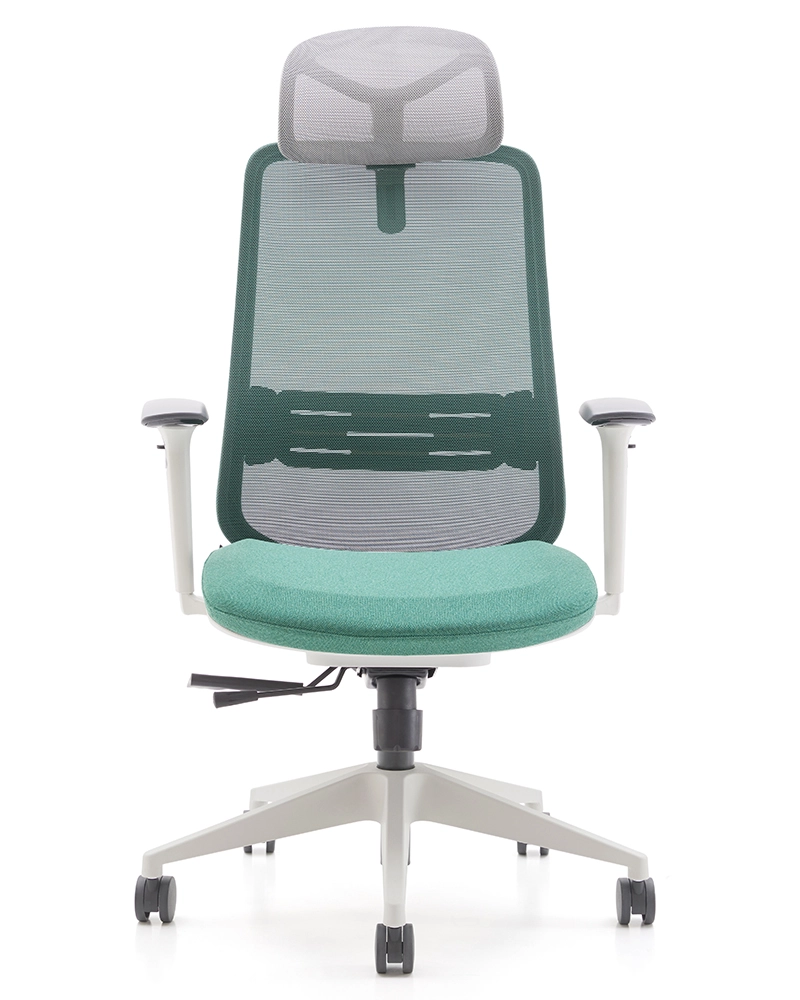
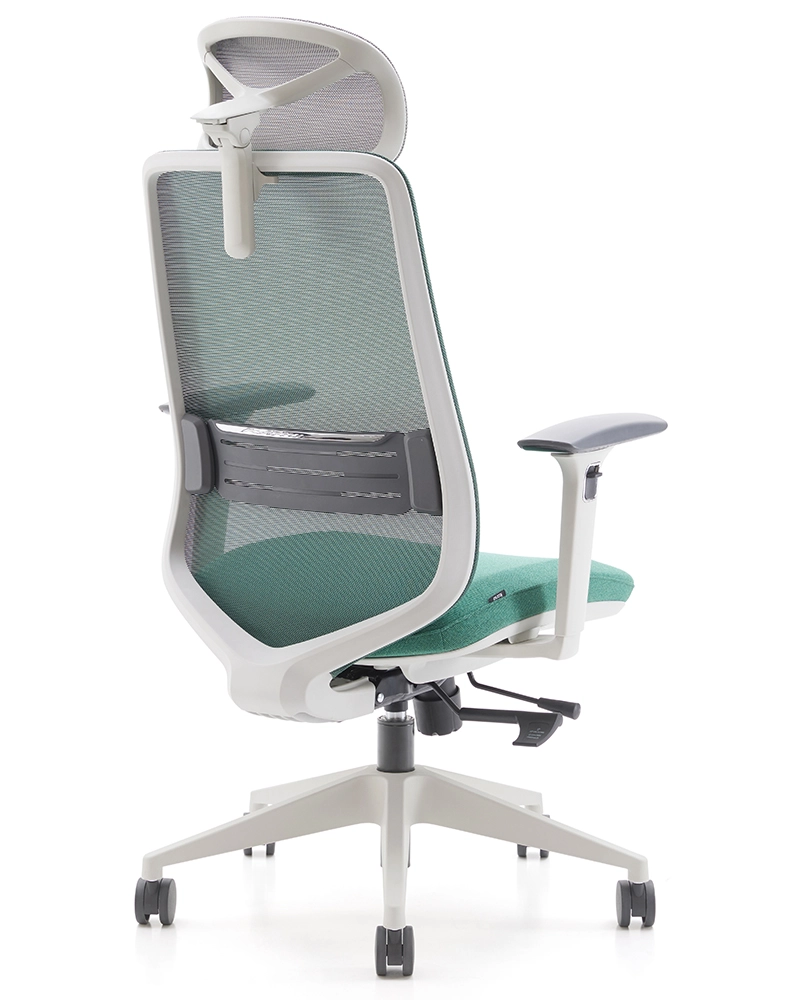
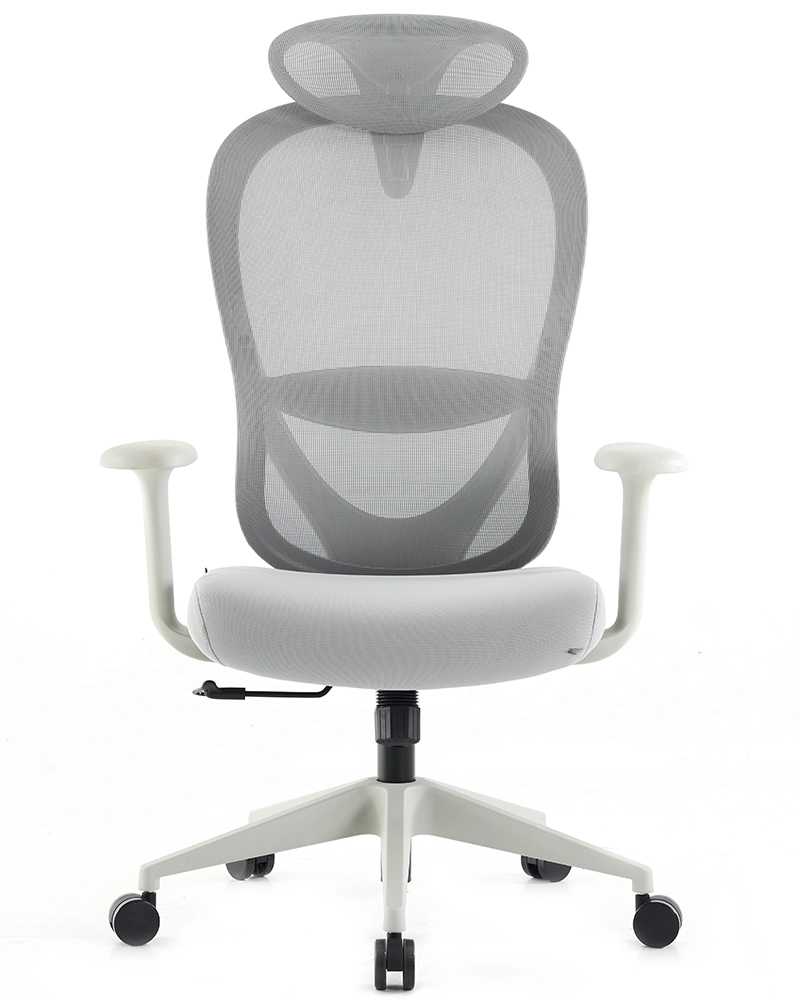
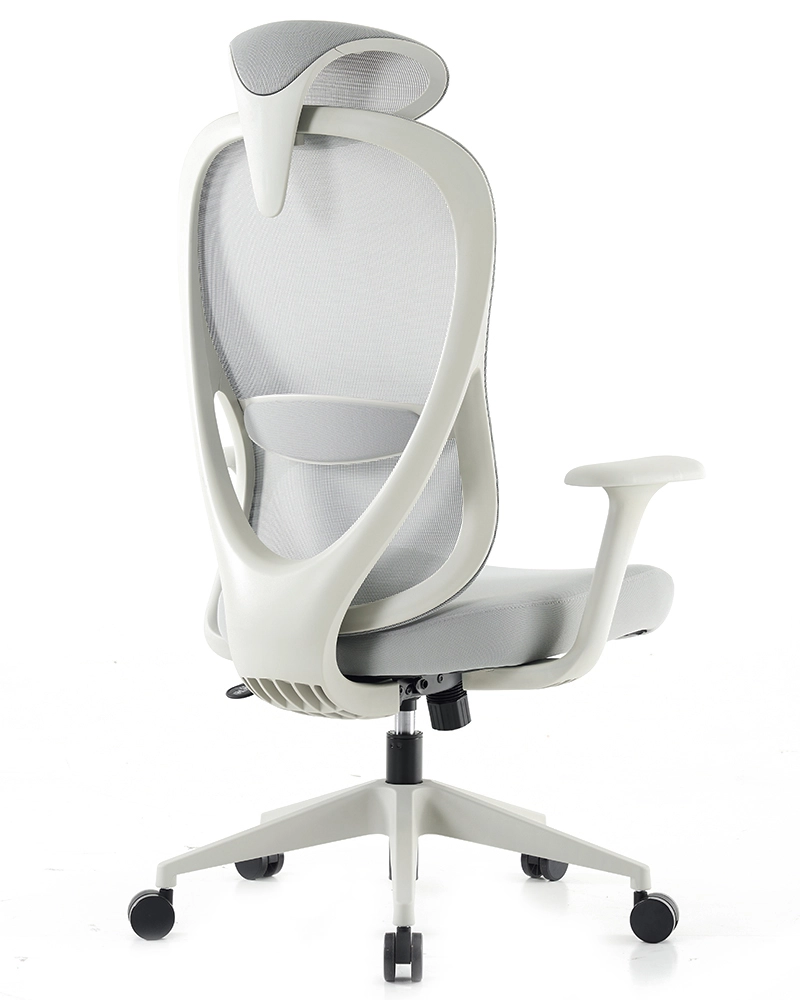
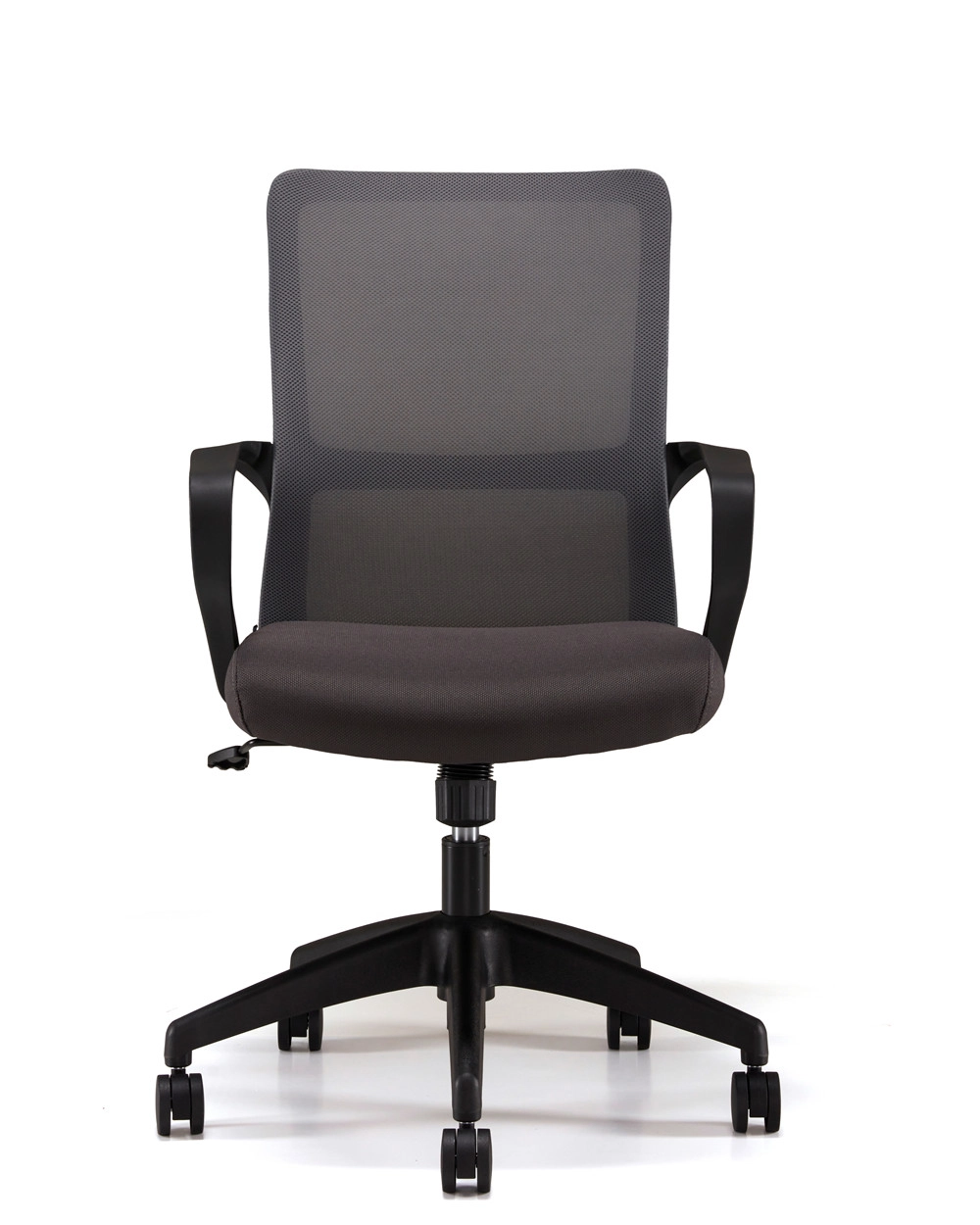
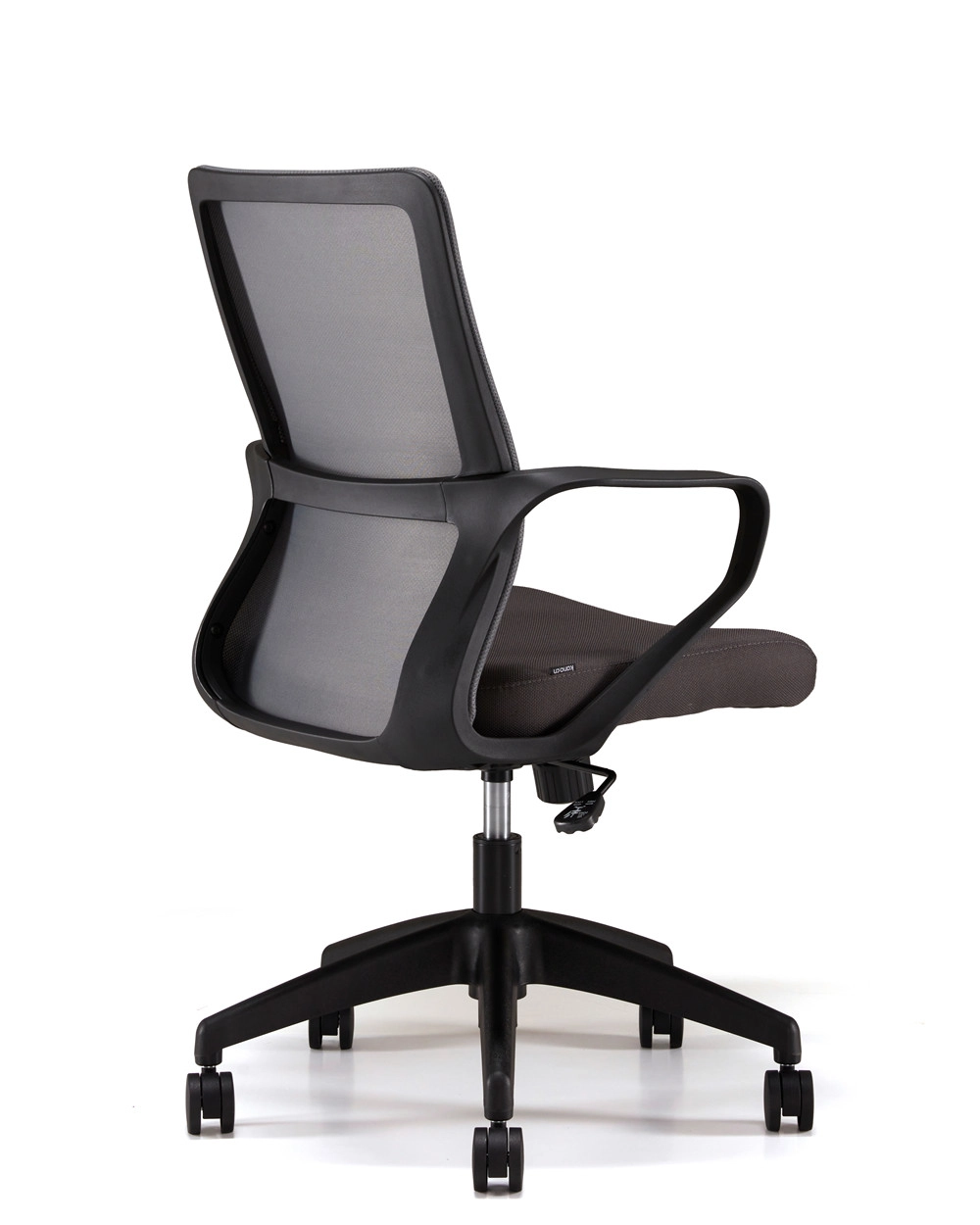
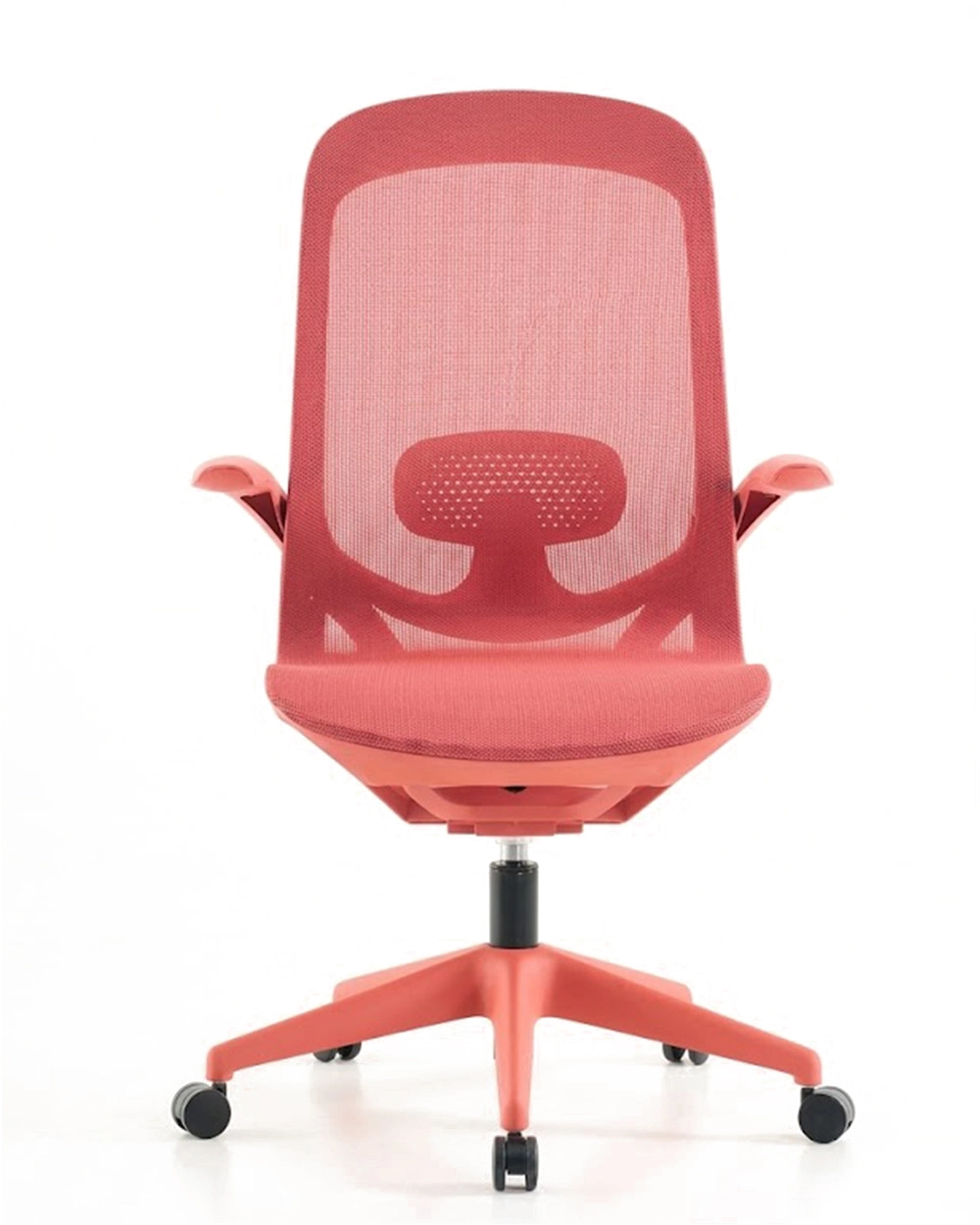
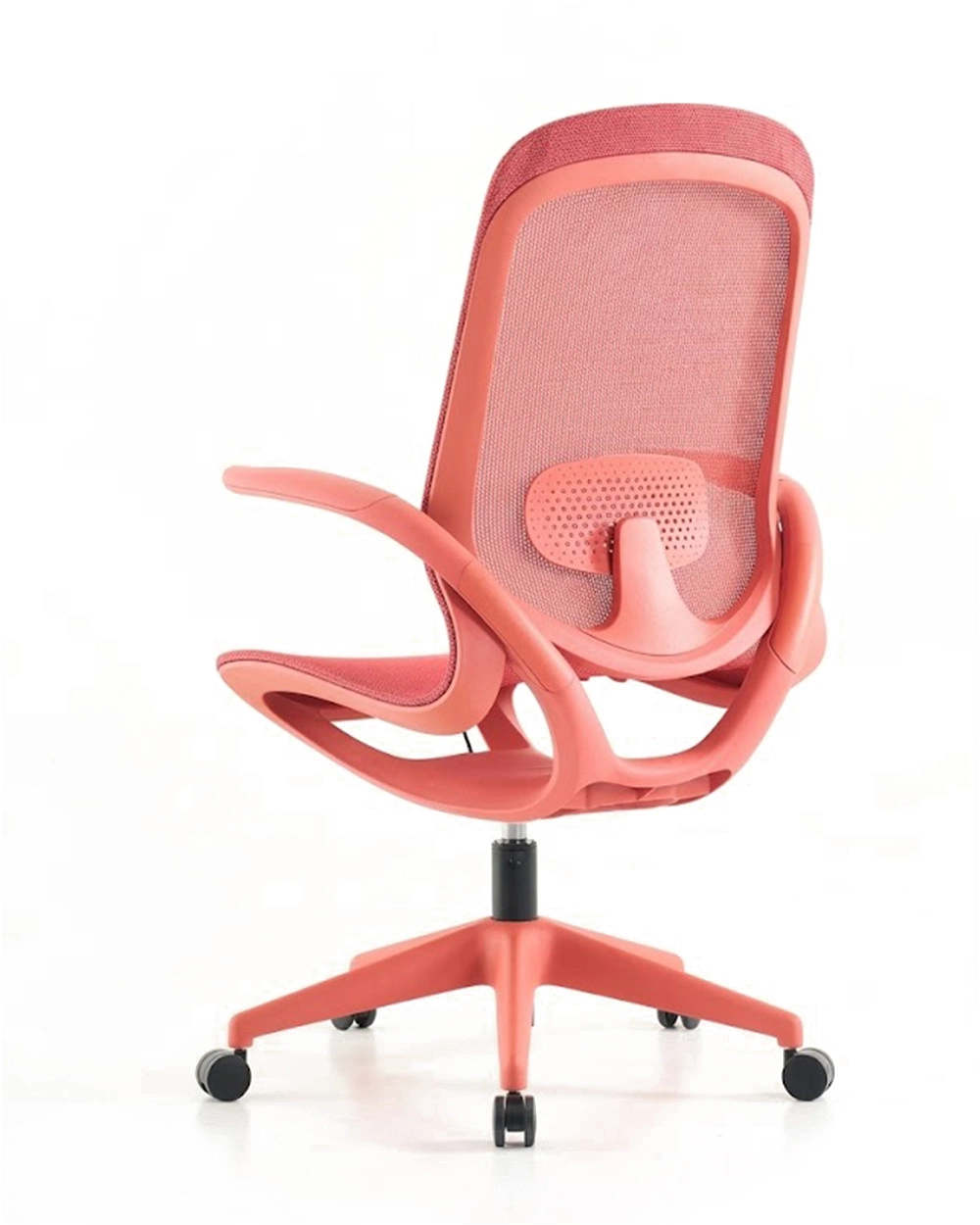
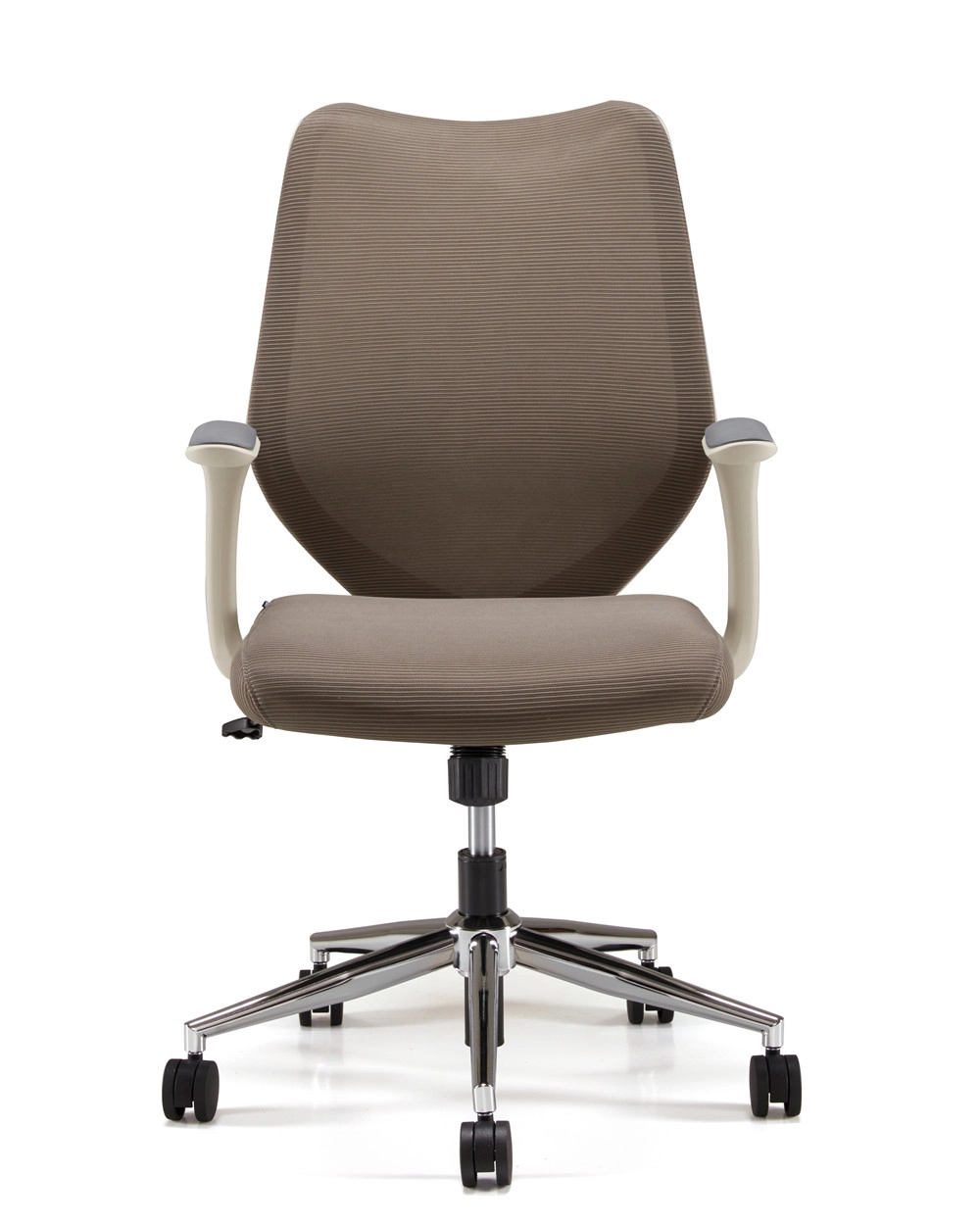
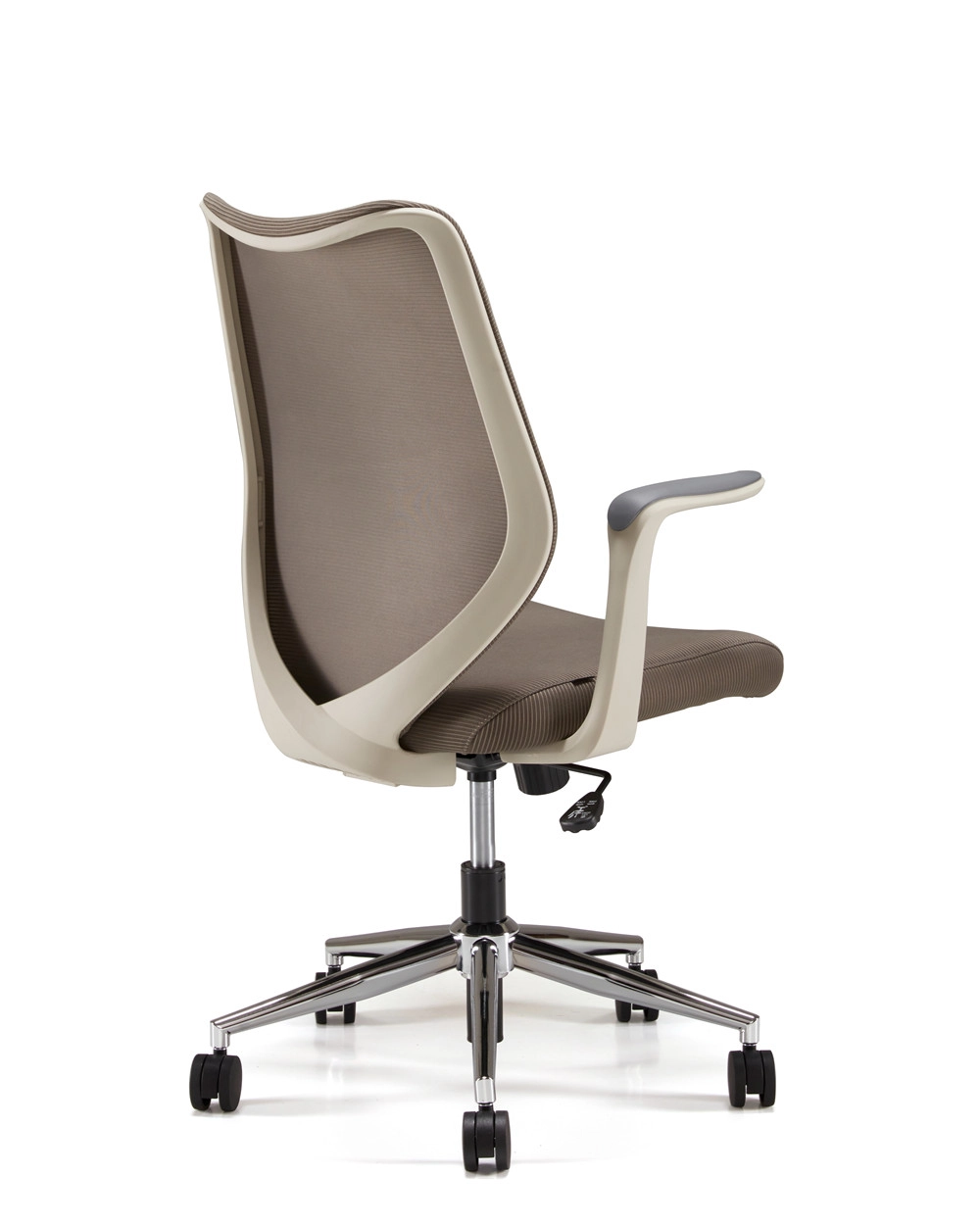
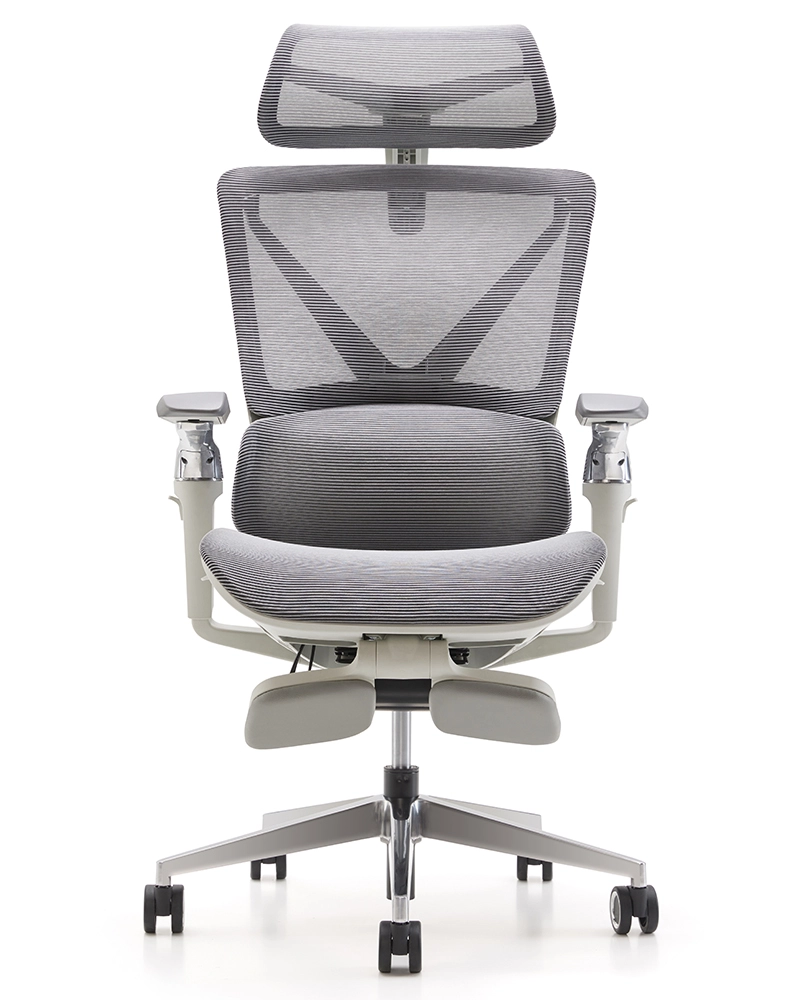
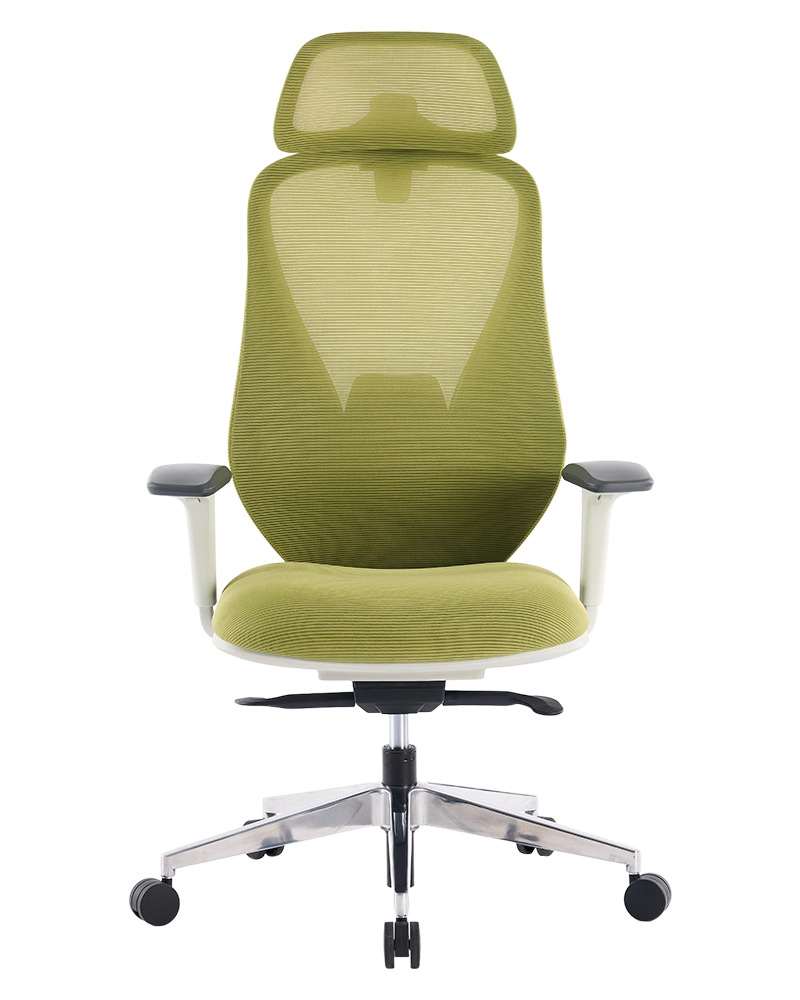
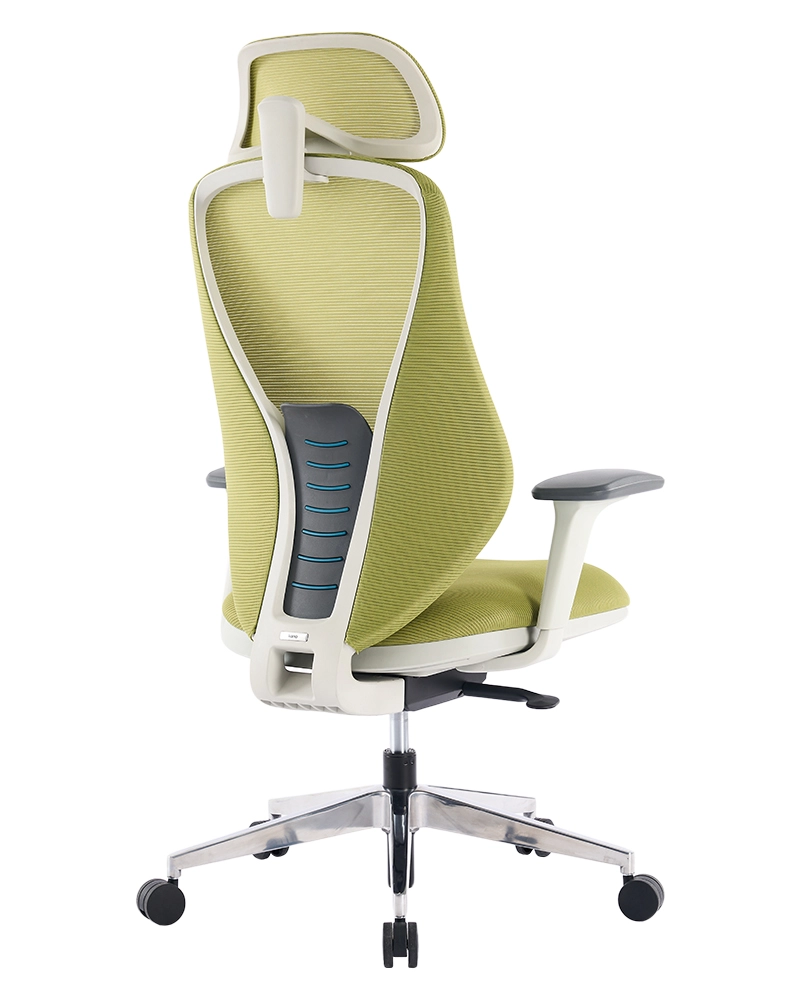
Before choosing an office chair, what really determines the day-to-day experience usually isn't the appearance — it's the dozen or so structural components hidden inside: how far the headrest travels, how much height adjustment the lumbar support offers, what class the gas lift is rated at, how large the casters are. Novosit's Task Chair series is designed around exactly these details. It's built for people who sit at a workstation for eight hours a day or more, and for buyers and brands who need a stable, easily replicable seating solution they can offer to their own end customers. If you're browsing the Products page and comparing the Executive series, the Task Chair series, and the Multi-Functional series, this article breaks down the engineering behind each component of the Task Chair line.
Task Chairs in this series come with a 3D headrest offering 55mm of height adjustment, covering the range of neck support needed by both shorter and taller users. The headrest surface can also move forward and backward and rotate, so users can find the right contact point for the neck's natural curve whether they're typing, focused on the screen, or leaning back for a short break. The headrest frame is injection-molded from PA+GF (glass-fiber reinforced nylon), which balances strength with light weight, while the outer surface uses a breathable mesh to prevent the stuffiness that can come from prolonged contact. This combination — engineering plastic for structural rigidity, mesh for breathability — is a design principle that recurs throughout the series, from the headrest to the backrest.
Lumbar support is the part of an office chair most often overlooked, yet it has one of the biggest effects on comfort during long periods of sitting. The Task Chair's lumbar support is height-adjustable, with a PP+GF main body that provides enough resilience and fatigue resistance to keep supporting the user through posture changes, leaning forward, or reclining, without deforming from sustained pressure over time. For corporate buyers who need to furnish employees of different heights with a single chair model, this kind of adjustability means one chair design can cover a wider range of body types, reducing the additional procurement cost that would otherwise come from individual variation.
The seat cushion uses molded foam, 75mm thick, with a density of 60kg/m³ and a hardness of 55N. Together, these three parameters determine the sitting feel: thickness provides initial cushioning softness, density determines how well the foam retains its resilience and lifespan under long-term compression, and hardness affects how evenly pressure is distributed under the hips during extended sitting. A density of 60kg/m³ sits toward the firmer end of the range typically used in office chair cushions, and combined with one-piece molded construction, it effectively avoids the sagging and deformation common in traditional sponge-foam chairs — a parameter that many office furniture projects specifically check during acceptance inspection.
The Task Chair's mechanism uses a steel base and supports 4.5cm of seat slide, 20° of recline, height adjustment control, and 3 locking positions, with an initial seat angle of 105°. This angle, slightly greater than 90°, more closely matches the natural torso-to-thigh angle of a relaxed seated posture, easing the sustained pressure on the lower back that comes with sitting fully upright. The sliding function lets users adjust seat depth to match their leg length, which is especially useful for teams with a wide range of employee heights. For projects that require more dynamic support, it's also worth exploring the Multi-Functional series, which features chairs with more advanced synchro mechanisms.
The base has a radius of 350mm and is made of PA engineering plastic — a size that meets the industry standard for stability in five-star base office chairs, effectively distributing the chair's overall center of gravity and reducing the risk of tipping. The casters have a wheel diameter of 6cm and a neck diameter of 1.8cm, also made from PA, offering both wear resistance and quiet rolling across different office flooring, from carpet to hard surfaces.
The backrest uses a fixed frame structure, with a PA+30%GF frame — the increased glass-fiber content further strengthens the backrest's resistance to deformation under sustained load — and the same breathable mesh surface as the headrest, creating a unified design language across the chair. The armrests, by contrast, are height-adjustable (65mm of adjustment range), with an armrest surface that can move forward and backward (50mm of travel) and rotate. The armrest surface is finished in PU, with a PA+GF bracket underneath. This triple adjustability — height, forward/backward, and rotation — allows the armrests to better match the natural arm positions used for typing, using a mouse, or reading at a desk, reducing the shoulder and neck fatigue that comes from holding a fixed posture for long periods.
Inside the chair, the seat board is made of 1.4cm-thick plywood, serving as the load-bearing component that connects the foam cushion to the metal mechanism below; the laminated construction of the plywood keeps it resistant to cracking or warping under sustained weight. The gas lift has a total length of 245mm, a height adjustment range of 8cm, and a stroke length of 8cm, and is rated Class 4 — a relatively high safety class within the gas spring industry, typically specified for office and commercial applications with higher stability and durability requirements.
From the headrest down to the casters, every component in the Task Chair series can be adjusted at the detail level, which is the foundation of Novosit's ability to offer customized OEM/ODM solutions to different clients. To see specific models within the series, take a look at representative chairs such as Y5, Y4, Y3, and Y1, as well as the U series and models like Starto and Nemo — each with subtle differences in headrest, armrest, and base configuration to suit different budgets and use cases.
For procurement teams looking to dig deeper into material specifications, certifications, or downloadable product documentation, the Resource page offers more complete technical documentation. If you're more interested in the design thinking behind the chairs, visit the Designer page to learn about the design teams that collaborate with Novosit and the ideas behind their work.
Whether an office chair is truly fit for purpose can only be judged over an eight-hour — or longer — workday. Novosit's Task Chair series breaks that judgment down into ten verifiable technical modules: headrest, lumbar support, seat foam, mechanism, base, casters, backrest, armrests, seat board, and gas lift, giving buyers a clear basis for evaluation rather than relying solely on appearance or price. If you're sourcing an office chair solution for your team or brand, feel free to reach out to the Novosit team through the Contact page, or follow the Blog page for more industry news and product updates.

0086-0572-5325985
info@novosit-global.com
Leave your email address to receive our latest updates.